Dungeon Dash: Unleashing Bullet Hell with CodeWisp
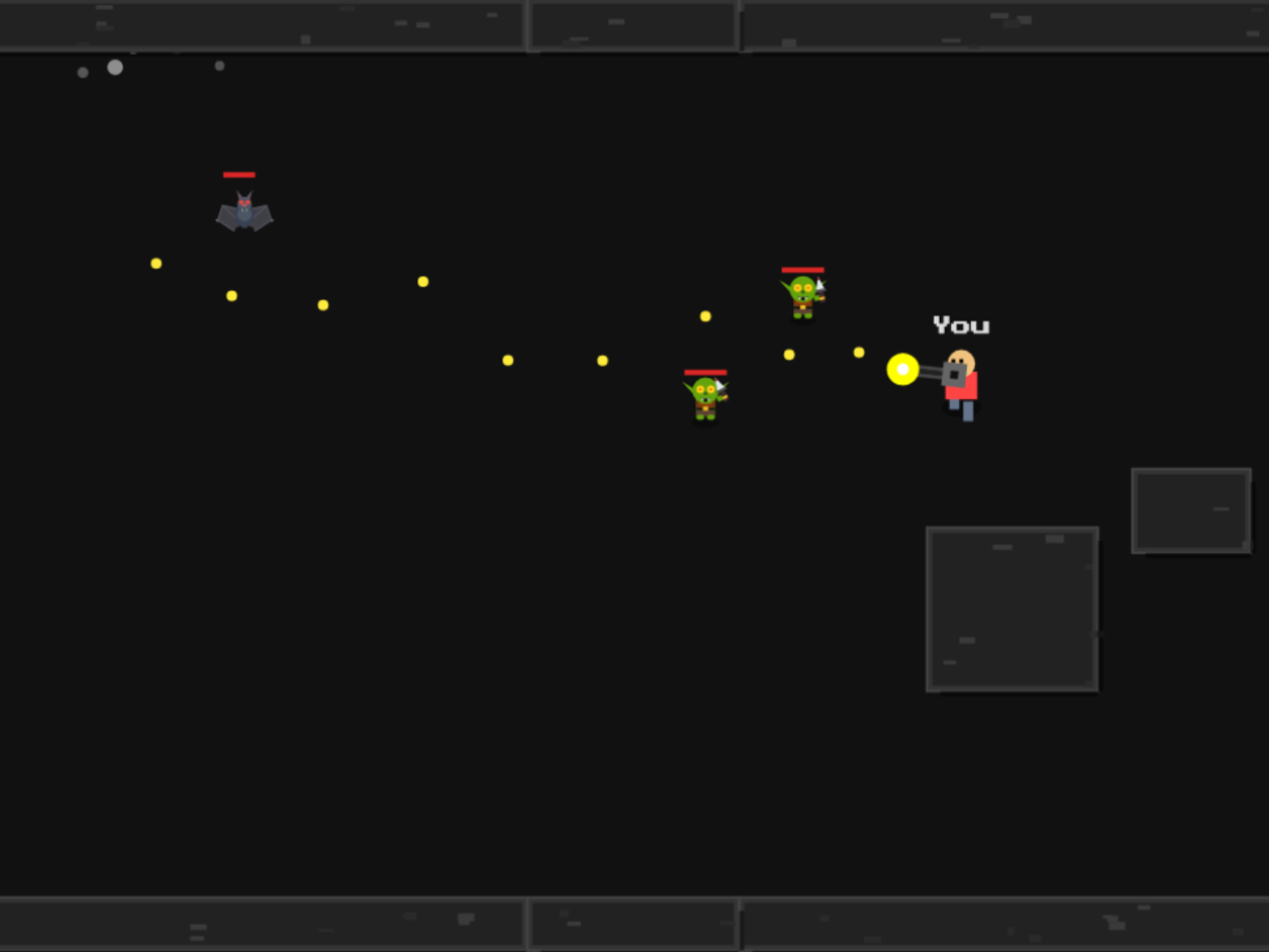
Dive into the fast-paced world of Dungeon Dash, a roguelike bullet hell shooter built with CodeWisp. Discover how AI-powered game development makes creating complex mechanics like physics-based movement and multiplayer a breeze.
Dungeon Dash: Unleashing Bullet Hell with CodeWisp
Welcome back to the CodeWisp blog! Today, we're thrilled to showcase a project that truly embodies the power and flexibility of our AI-powered game creation platform: Dungeon Dash. This project is a vibrant, fast-paced roguelike bullet hell shooter, and it's a fantastic example of how quickly you can bring complex gameplay mechanics to life with CodeWisp.
The Vision: A Roguelike Bullet Hell Adventure
Dungeon Dash throws players into procedurally generated dungeons, armed with a rapidly firing weapon and a need for quick reflexes. The core gameplay loop revolves around navigating treacherous environments, dodging relentless enemy fire, and upgrading your hero to survive increasingly challenging waves. Think classic arcade action meets modern roguelike progression – all built within the intuitive CodeWisp environment.
Under the Hood: Building with CodeWisp's Power
The provided code snippets offer a glimpse into the elegant architecture of Dungeon Dash. At its heart, we see a robust GameObject class, the foundational element for all entities in the game. This class provides essential properties like position, dimensions, and a markedForDeletion flag, along with crucial methods for collision detection (collidesWith) and retrieving bounds (getBounds).
Key Components and Features:
Wall.js: These aren't just static obstacles. TheWallclass features a visually appealing, slightly 3D-esque design with random details, adding depth and character to the dungeon environments. The drawing logic demonstrates how easily you can create unique visual styles.Effect.js: For that extra polish, theEffectclass handles visual feedback like blood splatters and sparks. Its physics-basedupdatemethod, with velocity and friction, creates dynamic and satisfying particle effects.Projectile.js: The backbone of the bullet hell experience. Projectiles have a lifetime, handle collisions with walls and enemies, and can even be synchronized across a multiplayer session. Thedamageproperty and interaction withEnemyentities highlight the game's combat system.Hero.js: This is where the magic of player control truly shines. TheHeroclass implements sophisticated physics-based movement using acceleration and drag, allowing for smooth, responsive controls. Key features include:- Physics Movement:
vx,vy,acceleration, anddragwork together to create a tangible feel to movement, enhanced byspeedMultiplierupgrades. - Collision Handling: The
moveAndSlidemethod is a technical highlight, expertly handling collisions with walls to prevent players from getting stuck. - Aiming and Shooting: The hero dynamically aims at the mouse cursor, and the
attackmethod manages firing rate (fireRateMultiplier) and projectile spawning, complete with spread for a more chaotic feel. - Invulnerability & Flashing: Visual feedback for taking damage is handled through
invulnerableTimeandflashTime. - Upgradable Stats:
damageMultiplier,speedMultiplier, andfireRateMultiplierare crucial for the roguelike progression, allowing players to tailor their build.
- Physics Movement:
Technical Highlights:
- Object-Oriented Design: The clear separation of concerns into distinct classes (
GameObject,Wall,Hero, etc.) makes the codebase organized and maintainable. - Physics Simulation: The implementation of acceleration, drag, and friction for the hero's movement provides a fluid and engaging player experience.
- Collision Detection: The AABB (Axis-Aligned Bounding Box) collision system is efficient and effective for detecting interactions between game objects.
- Visual Effects: The use of particles and simple drawing techniques for walls and effects adds a layer of polish that elevates the game's presentation.
- Extensibility: The structure easily accommodates new enemy types, weapons, and power-ups, demonstrating CodeWisp's suitability for complex game development.
Building with CodeWisp: The AI Advantage
What makes projects like Dungeon Dash achievable so rapidly with CodeWisp? Our AI assists developers by:
- Generating boilerplate code: Classes like
GameObjectandWallare often generated with intelligent defaults, saving significant setup time. - Suggesting optimizations: The AI can identify potential performance bottlenecks and suggest more efficient algorithms.
- Providing intelligent code completion: As you type, CodeWisp offers context-aware suggestions, reducing errors and speeding up development.
- Assisting with complex logic: Implementing features like physics-based movement or sophisticated collision response can be guided by AI prompts and examples.
The Future of Dungeon Dash
This project is just the beginning. With CodeWisp, the team behind Dungeon Dash can continue to expand its features, adding new enemy AI, diverse weapon systems, intricate dungeon layouts, and even robust multiplayer functionality. The foundation is solid, and the possibilities are endless.
We encourage you to explore the code and see for yourself how CodeWisp empowers developers to create ambitious projects like Dungeon Dash. Stay tuned for more exciting showcases from the CodeWisp community!
Frequently Asked Questions
What is Dungeon Dash?
Dungeon Dash is a roguelike bullet hell shooter game developed using the CodeWisp AI-powered game creation platform. Players navigate dungeons, dodge enemy fire, and upgrade their hero to survive.
How was Dungeon Dash built?
Dungeon Dash was built using CodeWisp's AI-assisted development environment. Key components like `GameObject`, `Wall`, `Hero`, and `Projectile` were implemented, leveraging CodeWisp's features for physics-based movement, collision detection, and visual effects.
What are the key gameplay features of Dungeon Dash?
Key features include physics-based hero movement with acceleration and drag, dynamic aiming and shooting, upgradable player stats (damage, speed, fire rate), wall collision handling, and visual effects like particles and sparks.
How does CodeWisp help in building games like Dungeon Dash?
CodeWisp's AI assists in generating boilerplate code, suggesting optimizations, providing intelligent code completion, and guiding the implementation of complex game logic, significantly speeding up development time.
Can Dungeon Dash be expanded with more features?
Yes, the architecture of Dungeon Dash, built with CodeWisp, is highly extensible. It's designed to easily incorporate new enemy AI, weapon systems, dungeon layouts, and multiplayer functionality.